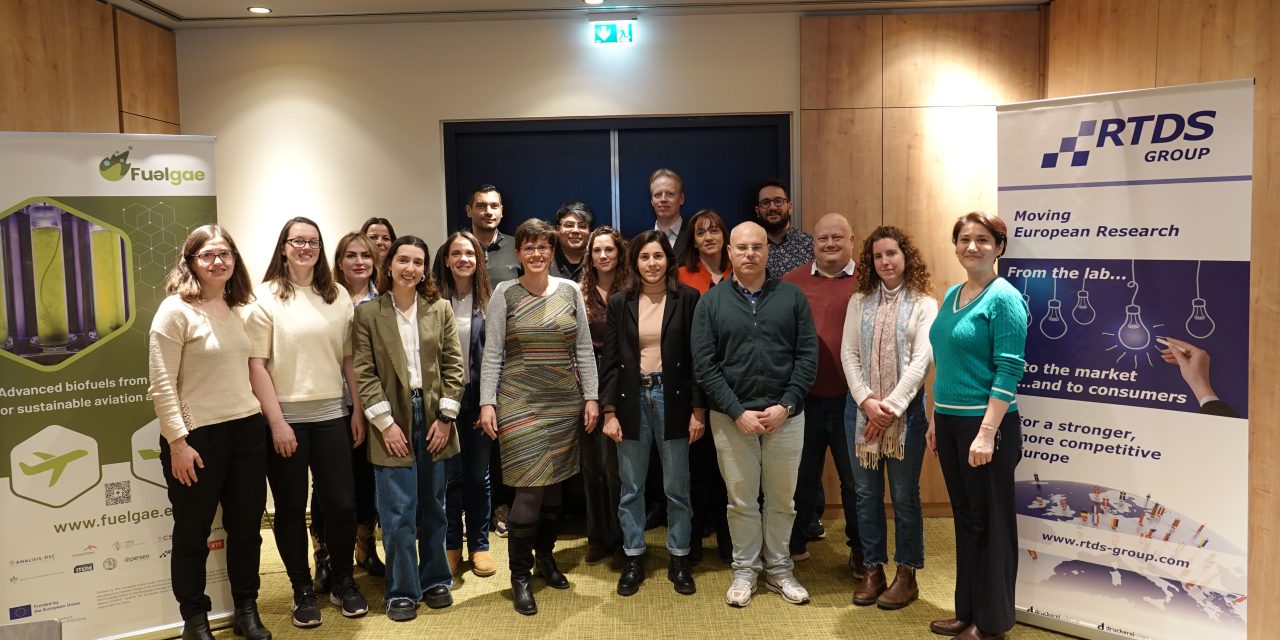
Thirteen partners from leading research institutions and industrial organizations across Europe gathered to assess progress, share insights, and plan for the upcoming phases of the project.


Thirteen partners from leading research institutions and industrial organizations across Europe gathered to assess progress, share insights, and plan for the upcoming phases of the project.
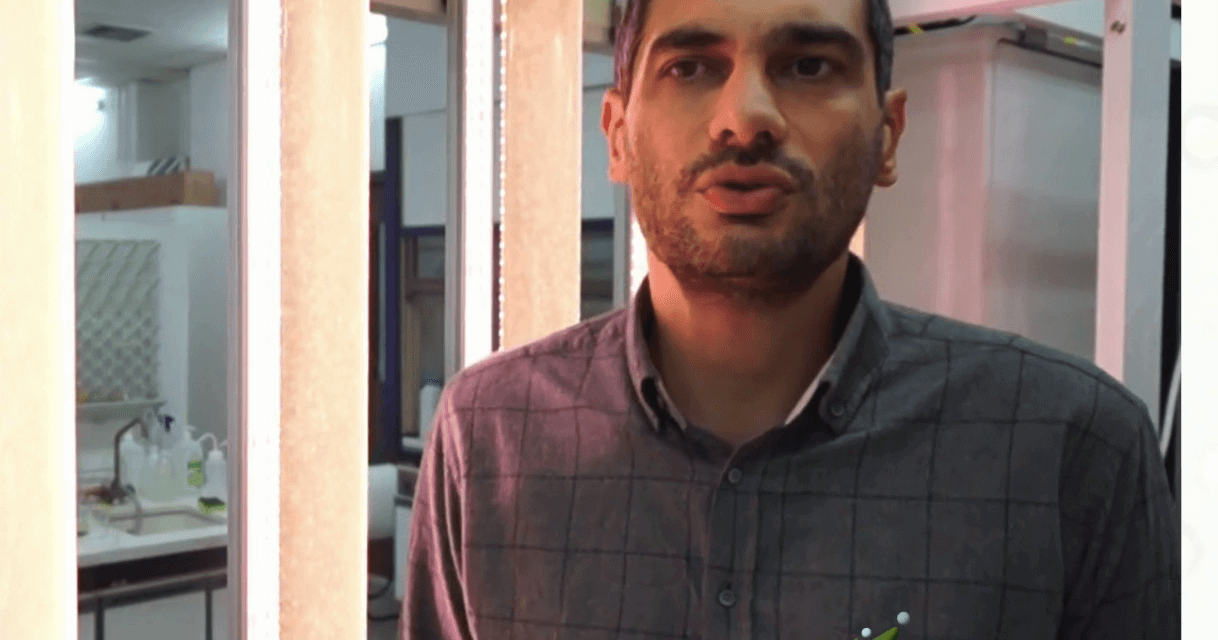
FUELGAE interview: Dr. Giannis Penloglou on Advancing Microalgae for CO₂ Capture and Biofuel Production by Cliò E. Agrapidis, PhD Published: 05.03.2025 How can we turn industrial CO₂ emissions into a resource instead of waste? The FUELGAE project is tackling this challenge by using microalgae to capture CO₂ and produce biofuels. To...
This year marked significant progress for the FUELGAE project in its mission to develop sustainable biofuels from microalgae to reduce CO₂ emissions. As we close this chapter, we reflect on the key achievements and milestones of 2024 that reflect strong collaboration, scientific innovation, and dedication to providing cleaner energy solutions for heavy industries such as...
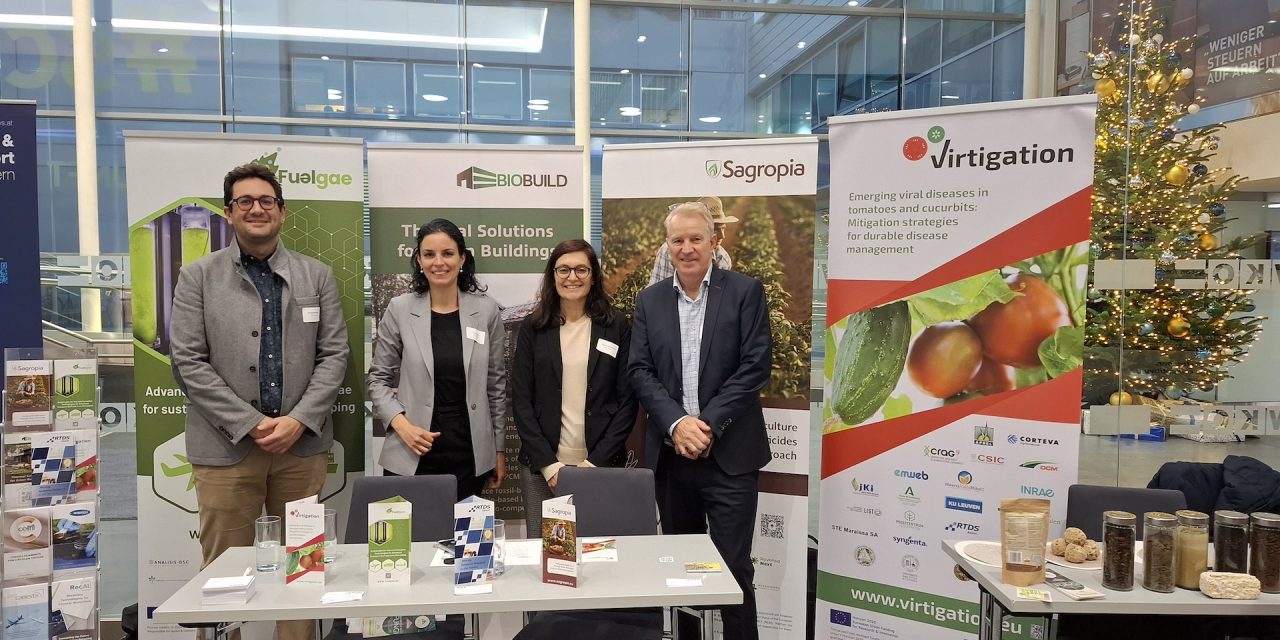
On the 2nd of December, FUELGAE participated at the “Highlights of the bio-based industry” in Vienna. The event gathered more than 70 key Austrian stakeholders in the dynamic fields of biorefineries and the innovative use of renewable raw materials. This included innovators and researchers, policymakers, industry leaders and entrepreneurs to talk and discuss the future...
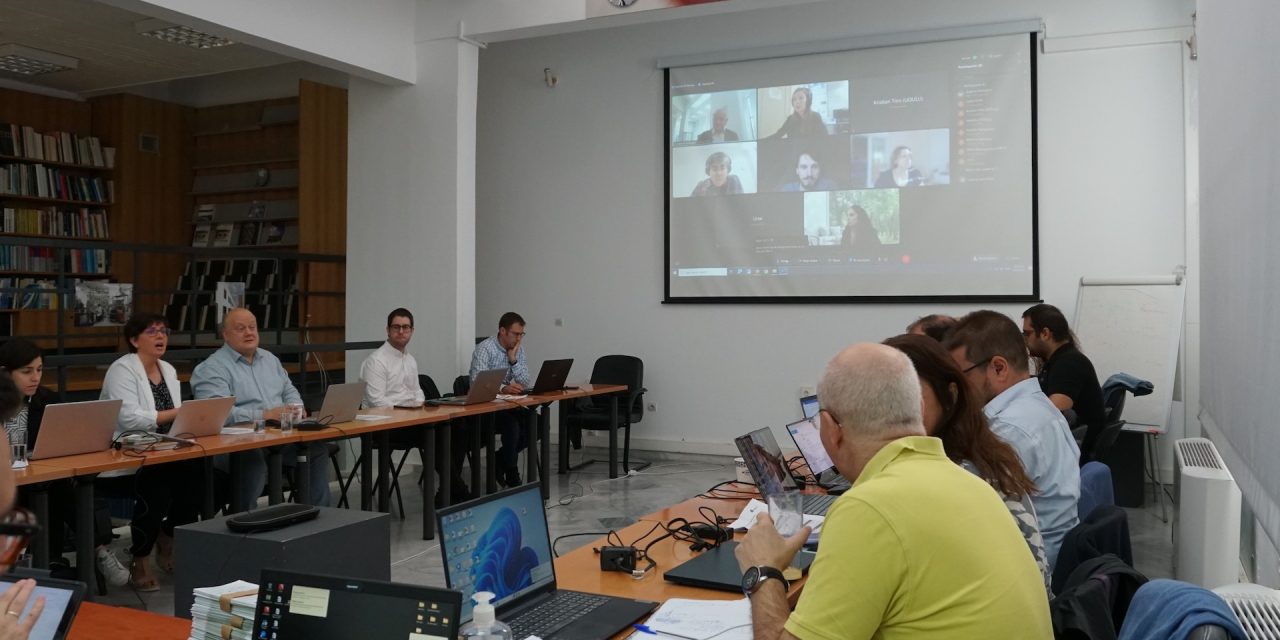
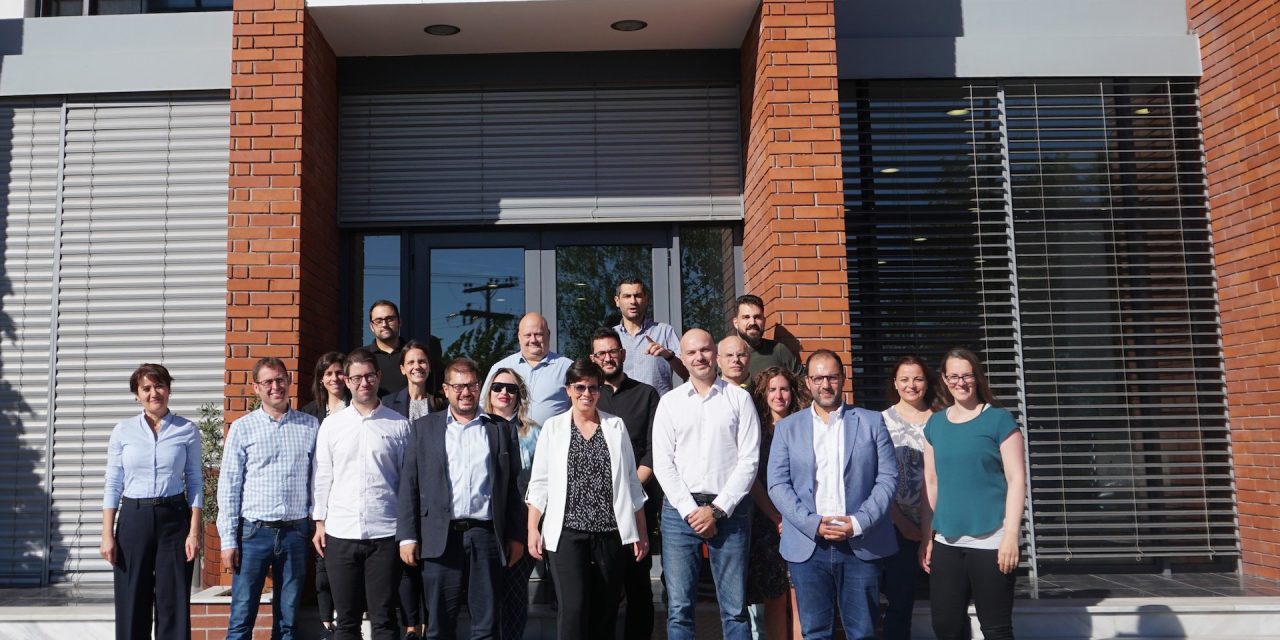
From 30 September to 1 October, the FUELGAE consortium gathered in Thessaloniki, Greece, for the 4th General Assembly meeting, hosted by the Centre for Research & Technology Hellas (CERTH). This two-day event marked a significant milestone in the project’s journey to transform greenhouse gas (GHG) emissions into advanced biofuels, with microalgae serving as the key...

What Makes Microalgae So Unique? Microalgae may be tiny, but they are incredibly diverse and vital to ecosystems worldwide. They belong to a broader group known as algae, which includes both microscopic microalgae and larger forms like seaweeds. While macroalgae can grow several meters long, microalgae are typically single-celled or form simple colonies. Despite these...
© RTDS Association, 2023. All rights reserved; All images © Shutterstock, unless otherwise specified
Funded by the European Union under Grant Agreement 101122151. Views and opinions expressed are however those of the author(s) only and do not necessarily reflect those of the European Union or the European Climate, Infrastructure and Environment Executive Agency (CINEA). Neither the European Union nor the granting authority can be held responsible for them.


Info


