


When you think of algae, you might picture green ponds or seaweed on the beach. But did you know algae and microalgae are part of your daily life—often without you even realizing it? From toothpaste to energy bars, these tiny organisms are making a big impact.
To celebrate International World Algae Day, we’ve rounded up some surprising ways algae show up in everyday products—and how they’re shaping a sustainable future.
Unexpected Consumer Products
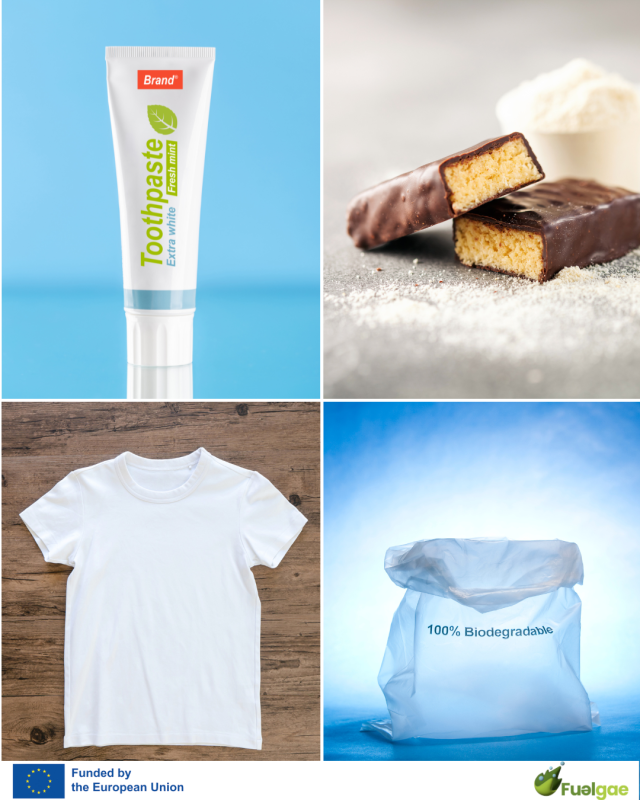
- Toothpaste abrasives and thickeners
Some microalgae have shells made of hard, patterned cells. These are used as gentle abrasives in toothpaste. Seaweed-derived compounds also help stabilize toothpaste and other personal care products. - Cosmetics and skincare
Algae extracts are rich in antioxidants and minerals, making them a favorite ingredient in anti-aging creams, masks, and lotions. - Food additives
Seaweeds provide natural compounds like alginates, carrageenan, and agar—used as gelling or thickening agents in ice cream, yogurt, baby formula, processed cheese, and sauces. Even vegan gummy bears owe their texture to seaweed-based jellifying powders!
Foods and Alternative Proteins
Microalgae such as Spirulina, Chlorella, Nannochloropsis, and Scenedesmus are protein powerhouses with a complete amino acid profile. They’re paving the way for sustainable, plant-based nutrition:
- Algae-based vegan milk and protein flour
Startups are creating dairy alternatives and protein-rich flours from algae—nutritious and eco-friendly. - Plant-based seafood and meat
Algae help make realistic vegan shrimp, chicken, and even heme for plant-based meats. - Energy bars
Spirulina and other microalgae add protein, vitamins, and iron to superfood bars. - Direct algal protein
Spirulina and chlorella powders are used in fortified foods like pasta, snacks, and baked goods.
Non-Food Innovations
Algae aren’t just for food—they’re revolutionizing other industries too:
- Textiles, fashion, and inks
From biodegradable t-shirts to sustainable dyes, algae are replacing chemical-based materials. - Fertilizers and pet food
Algae biomass is turned into organic fertilizers and specialty pet foods, promoting sustainable agriculture. - Industrial abrasives and filtration
Diatom shells aren’t just for toothpaste—they’re used in water filters, eco-friendly cleaners, and pest control. - Bioplastics and packaging
Companies are exploring algae-based biodegradable plastics and packaging materials.
FUELGAE: Powering a Greener Future
At FUELGAE, we harness microalgae to fight climate change by capturing CO₂ from industrial processes and producing advanced biofuels for heavy transport. It’s a step toward decarbonization and a cleaner planet.
🌱 Why It Matters
Algae are more than just a nuisance at the beach—they’re a sustainable resource shaping the future of food, fashion, energy, and beyond. This World Algae Day, let’s celebrate these tiny organisms making a big difference.


